Thanksgiving Gross Motor Activities for Preschool
SpyLore · TPT seller SEO guide
Thanksgiving Gross Motor Activities for Preschool
Try six preschool movement activities with a gratitude theme, seated adaptations, simple materials, and a 15-minute classroom session plan.
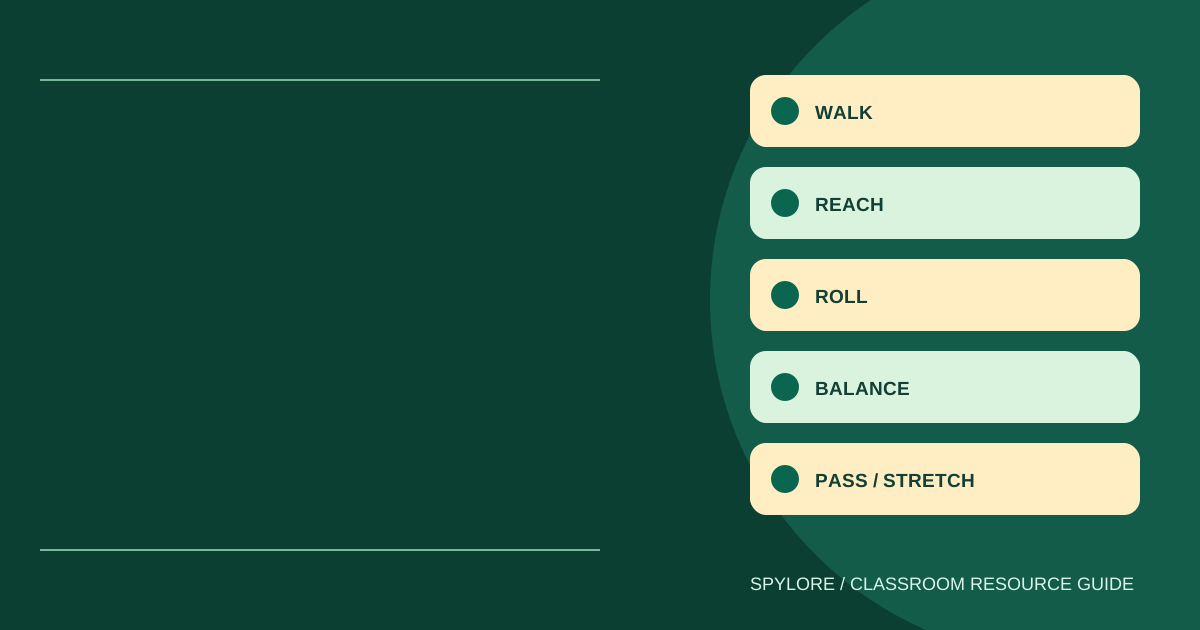
Thanksgiving gross motor activities for preschool can use a simple gratitude theme: moving together, taking turns, and appreciating people who help us. These six original games use large paper shapes, a soft ball, and clear floor space. Each includes a seated or lower-movement option so children can participate in a way that fits their abilities.
Use the theme according to your school and community. A gratitude activity can stand alone without costumes, historical role-play, or assumptions about how families celebrate. These games teach movement routines and cooperation; they are not a Thanksgiving history lesson or a clinical exercise program.
1. Follow the leaf path
Arrange large paper leaves along a short, clear route using a floor-safe method that prevents slipping. Children walk between the markers and stop at the final leaf. Demonstrate the route and keep enough space between turns.
Seated option: arrange the same sequence on a table and have children point to each leaf or move a token along it. The shared goal is following the path in order; walking speed does not determine success.
2. Reach for a gratitude card
Hold a large picture card at a comfortable height. Children reach toward it and name a person, object, or classroom routine they appreciate. A child may point or use a prepared picture instead of speaking.
Offer the card closer to the child for a smaller movement. Do not turn reaching into a contest. Use examples such as “a friend helping me” instead of asking children to reveal private family information.
3. Roll the pumpkin ball
Use a soft orange ball as a pretend pumpkin. Partners sit or stand a short distance apart and roll it gently toward each other. Demonstrate waiting until the partner is ready. Adjust the distance and ball size as needed.
An alternative is to guide the ball along a tabletop with an adult. Avoid using a real heavy pumpkin for passing. Keep the task cooperative: count shared successful turns rather than eliminating children who miss.
4. Balance like a tree
Invite children to stand with both feet grounded and stretch their arms like branches. Those who want to can briefly lift one heel or foot with appropriate nearby support. Each child chooses a comfortable version.
Seated option: plant the feet where possible and move the arms like branches. Do not require closed eyes or a fixed balancing time. The purpose is body awareness and controlled movement within the child's range.
5. Pass the helping-hands card
Children pass a large card around a circle. When the teacher pauses, the child holding it chooses a familiar classroom helping action, such as pretending to put books away. Everyone copies the action slowly.
Keep the game free of elimination. Children can name, point to, or demonstrate an action. Provide picture choices so the language demand does not prevent participation.
6. Harvest basket stretch
Place a pretend basket in front of each child. Model reaching toward a large paper fruit, bringing the hands back, and placing it in the basket. Use comfortable movements and a slow rhythm.
Children can do the same sequence at a table or simply move one large card between two spaces. Avoid small loose pieces when they are inappropriate for the group. Finish by thanking a partner for taking turns.
Plan a 15-minute session
Allow two minutes to explain personal space and stopping, ten minutes for two or three games, and three minutes for a calm finish. Six games are a menu, not a requirement for one session. Repeat familiar games on another day rather than rushing through new directions.
- Prepare routes and supplies before inviting children to move.
- Teach one clear stop signal and practice it once.
- Offer each adaptation as a normal option for the group.
- Follow individual support plans and school supervision rules.
- Observe turn-taking and following directions, without comparing bodies or abilities.
If a child prefers to watch first, give a useful role such as choosing the next picture card. Participation can develop gradually; a movement break should not depend on public performance.
Build a practical preschool resource
A seller can package the games as illustrated movement cards, a teacher session guide, a materials list, a visual stop card, and adaptation notes. State that adult supervision is required. Show both standing and seated versions in the preview, and explain that the pack is not a full physical education curriculum.
A focused title is “Thanksgiving Preschool Movement Cards | Gratitude Games.” Confirm that every pictured material is included or explicitly listed as teacher-supplied. Review TPT product descriptions before presenting the pack as ready to use.
Why this is a research-backed topic choice
The exact phrase “thanksgiving gross motor activities for preschoolers” appeared as a Breakout related query under Thanksgiving activities in Google Trends US results, checked September 30, 2026. Breakout is a growth label, not evidence of a large absolute audience or low competition. The broad Thanksgiving term peaked in November in the displayed previous-year series, making this a planning-ahead topic rather than a claim about current peak demand.
FAQ
Can I use the games without Thanksgiving references?
Yes. Call them fall movement games or helping-hands activities and keep the cooperation theme.
Do children need to run or jump?
No. These versions use walking, reaching, rolling, and controlled movements, with seated alternatives.
What can I use for another indoor session?
See rainy day classroom activities, choosing the activities and materials appropriate for preschool rather than assuming all elementary options fit.